A Brief Analysis of Four Major Trends in the Future Development of Food Packaging
Click:
When we go shopping at the supermarket, what catches our eyes is a dazzling array of products, with various packaging competing for beauty. Attaching packaging of different shapes to food is not only to visually attract consumers to choose, but also to protect the food. With the advancement of food technology and the upgrading of consumer demand, consumers have more expectations and requirements for food packaging. In the future, what trends will the food packaging market have? Feel free to imagine with me.
1、 Safe packaging
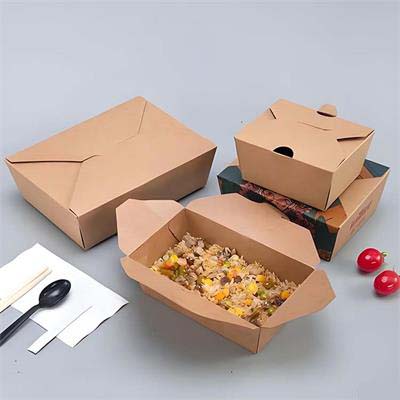
Food is of paramount importance to the people, and safety comes first when it comes to food. Safety is an important attribute of food, and packaging needs to maintain this attribute. Regardless of the packaging materials used, such as plastic, metal, glass, composite materials, or different forms of packaging such as plastic bags, cans, glass bottles, plastic bottles, boxes, etc., the starting point is to ensure the freshness and hygiene of the packaged food, avoid direct contact between the food and the external environment, and allow consumers to eat safe and hygienic food within the shelf life.
For example, in modified atmosphere packaging, replacing oxygen with inert gases such as nitrogen and carbon dioxide can slow down the growth rate of bacteria. At the same time, packaging materials must have good gas barrier properties, otherwise protective gases will quickly dissipate. Safety has always been a fundamental element of food packaging. Therefore, in the future food packaging market, there is still a need for packaging that can better ensure food safety.
2、 Intelligent packaging
With the entry of some high-tech and new technologies into the food packaging industry, food packaging has also become intelligent. Simply put, intelligent packaging refers to providing information on the quality of packaged food during circulation and storage by detecting the environmental conditions of the packaged food. Integrating technologies such as mechanical, biological, electronic, chemical sensors, and network technology into packaging materials can enable ordinary packaging to achieve many "special functions". The commonly used forms of intelligent food packaging mainly include time temperature type, gas indication type, and freshness indication type. (Source: Member of the Food Safety Professional Committee of the Shanghai Food Society: Liu Shaowei, "Intelligent Packaging Makes Food Quality Changes Visible")
Consumers can judge whether the food inside has spoiled or is fresh by the changes in the labels on the packaging when choosing food. They do not need to look for the production date and shelf life, nor do they have to worry about spoilage within the shelf life, which they cannot detect themselves. Intelligence is the development trend of the food industry, and food packaging is no exception, optimizing consumer experience through intelligent means. In addition, intelligent packaging is also reflected in product traceability, by scanning the intelligent labels on food packaging, it can trace important links in product production.
3、 Green packaging
Although food packaging provides a safe, convenient, and storage resistant solution for the modern food industry, most food packaging is disposable, and only a small portion of packaging can be effectively recycled and reused. Abandoned food packaging in nature causes serious environmental pollution problems, with some scattered in the ocean and even threatening the health of marine life.
It is not difficult to see from the large-scale professional packaging exhibitions in China (Sino Pack, PACKINNO, interpack, swop) that green, environmentally friendly, and sustainable are highly valued. Sino Pack 2022/PACKINNO adheres to the concept of "intelligence, innovation, and sustainability" and has established a "Sustainable Packaging Design" section, which focuses on environmentally friendly recycled materials such as bio based/plant-based materials, packaging engineering and lightweight design, as well as pulp molding to empower new environmental protection. Interpack 2023 proposes a new theme of "Simple and Unique", while also introducing four hot topics: "Circular Economy, Resource Protection, Digital Technology, and Product Safety". The 'circular economy' focuses on the recycling of packaging.
At present, more and more food companies are starting to focus on green and recyclable packaging. Some dairy companies have launched unprinted milk packaging products, while others have packaged mooncakes in boxes made from sugarcane waste. More and more companies are using compostable and naturally degradable food packaging materials. It can be seen that in the food packaging industry, green packaging is an unavoidable topic and trend.
4、 Personalized packaging
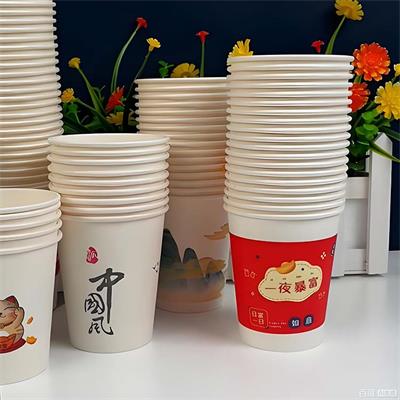
As mentioned earlier, the diverse and dazzling packaging attracts different consumers to make purchases. The editor found that food packaging is becoming more and more "attractive" while shopping in supermarkets. Some are high-end and elegant, some are gentle and beautiful, some are full of vitality, and some are cartoon and cute, meeting the personalized needs of different consumers.
For example, children are easily attracted by various cartoon images and beautiful colors on packaging, fresh fruit and vegetable patterns on beverage bottles also make them look healthier, and some food packaging prominently displays the health benefits, nutritional content, and special/rare materials of the product. With the increasing attention of consumers to food processing technology and food additives, businesses are also timely in labeling and displaying their characteristics on food packaging, such as instant sterilization, membrane filtration, 75 ° sterilization technology, aseptic canning, 0 sugar and 0 fat.
Personalized food packaging is more prominent in internet famous foods, such as popular Chinese pastry brands, milk tea brands, Western style bakeries, etc. Instagram style, Japanese style, retro style, co branded style, etc. Through packaging, brand personality is highlighted, catching up with the new generation of fashion trends and attracting young consumers.
At the same time, personalized packaging is also reflected in the packaging form. The one person eating and small family model has made small packaged food popular. Seasoning and snack foods have become smaller, and even rice can be packaged in small packages for one meal and one solar eclipse. Food companies are increasingly focusing on personalized packaging for different age groups, family needs, consumption abilities, and habits, continuously segmenting consumer groups, and refining product classification.
Food packaging ultimately aims to meet food safety and ensure food quality, followed by attracting consumers to purchase. The ideal state is ultimately environmentally friendly. With the development of the times, new trends in food packaging will emerge, and new technologies will be applied to food packaging to meet the ever-changing consumer demands.
Statement:This article is sourced from the internet, with copyright owned by the original author. It is provided for everyone to share and learn from. If the author believes it involves infringement, please contact us, and we will delete it immediately upon verification.